
Guide · · 5 دقيقة قراءة
Gelatinized vs raw maca: which should you take?
Gelatinization removes starch, not nutrients. Here is what the process actually does — and who should still choose raw.
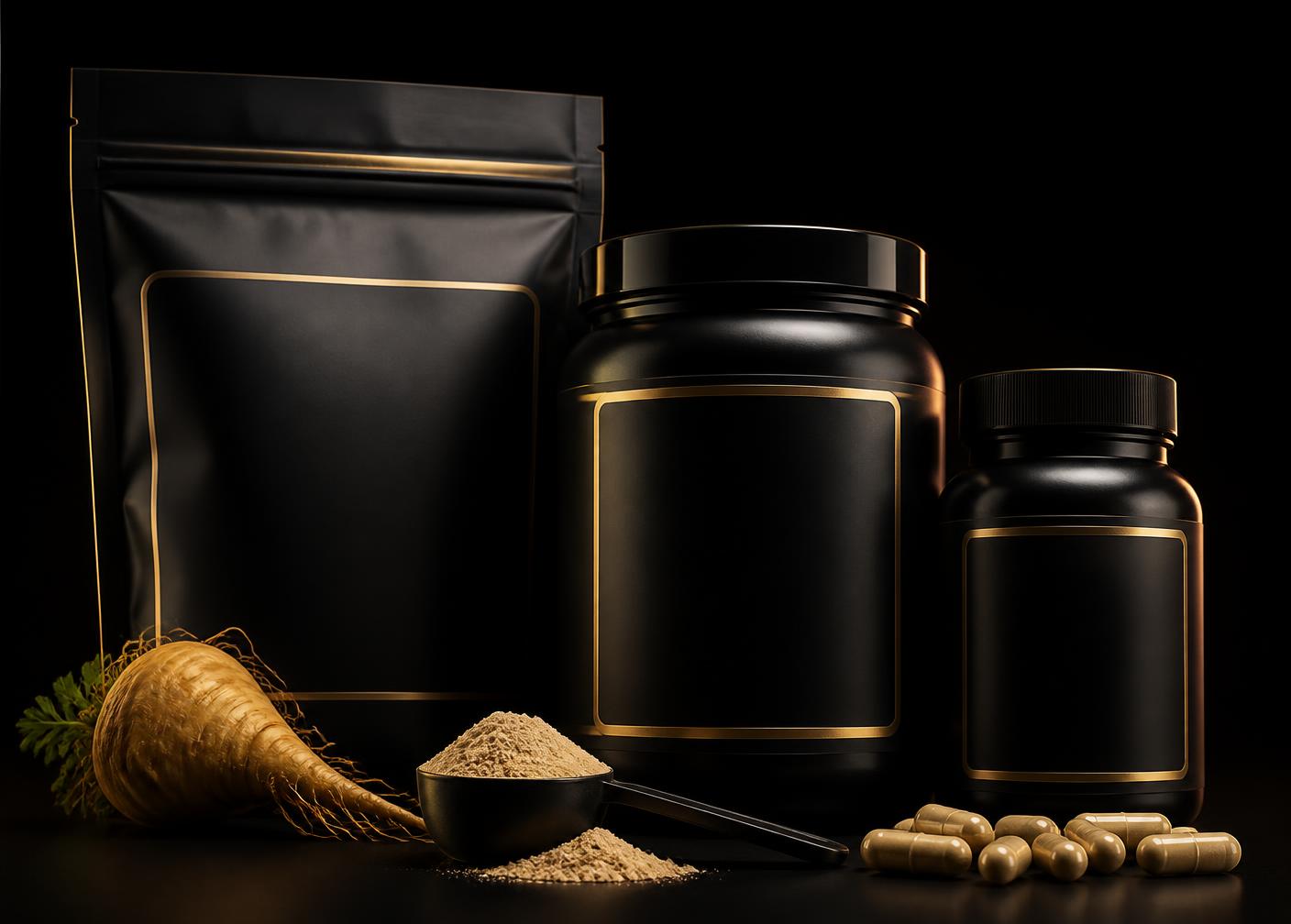
What gelatinization means
Despite the name, no gelatin is involved. Gelatinized maca is milled root that has been gently heat- and pressure-treated to break down its resistant starch. The powder loses roughly a fifth of its volume and becomes darker, smoother and far easier to dissolve.
Digestibility is the real difference
Raw maca is about 60% starch. That starch is what causes the bloating, gas and heaviness many first-time users report. Removing it concentrates the remaining fraction, so a smaller scoop delivers a similar amount of active compounds.
If you have a sensitive gut, or you are taking maca daily rather than occasionally, gelatinized is the pragmatic choice.
Does heat destroy the actives?
Macamides are relatively heat-stable; glucosinolates are more fragile. A well-controlled low-temperature process preserves the former and reduces the latter modestly. A crude, high-heat process damages both — which is why processing temperature matters more than the label word.
Every Goldenmaca batch is assayed after gelatinization, not before, so the number on the certificate is the number in the jar.
When raw makes sense
Choose raw if you follow a strictly raw diet, you blend maca into a recipe where starch adds body, or you simply tolerate it well and prefer the sharper, more radish-like flavour.
For everyone else, gelatinized is easier on the stomach and easier to drink.