
Research · · 7 دقيقة قراءة
Energy and hormone balance: what the research actually shows
Maca is not a stimulant and not a hormone. A sober look at adaptogenic energy, mood, libido and the limits of current evidence.
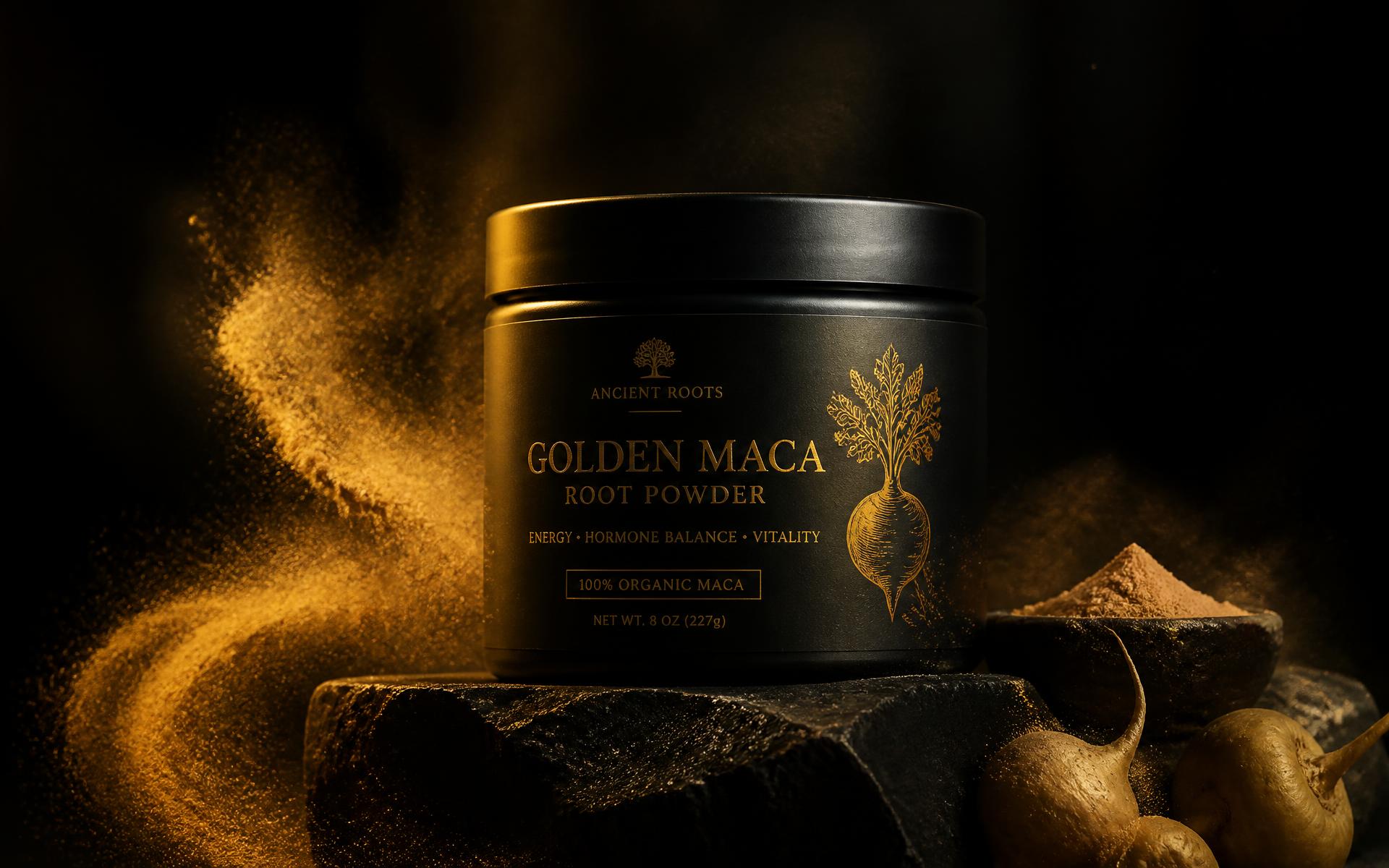
Energy without stimulation
Maca contains no caffeine and no ephedrine-like compound. The lift people describe builds over one to three weeks and feels like the absence of fatigue rather than a spike — closer to sleeping well than to drinking coffee.
Small trials in cyclists and in high-altitude populations have reported improvements in perceived energy and endurance, though sample sizes remain modest.
It does not contain hormones
This is the most common misunderstanding. Maca contains no plant oestrogen and does not supply hormones. Studies point instead toward modulation of the hypothalamic–pituitary axis, which is why the same root is used by both men and women for very different-sounding reasons.
In practice that means effects are individual, gradual and reversible when you stop.
Mood, libido and menopause
The best-replicated findings concern sexual desire in healthy adults and discomfort scores in postmenopausal women, where several randomised trials found improvements versus placebo. Effects on anxiety and low mood have also been reported, usually as secondary outcomes.
None of this is a treatment. If you are managing a diagnosed condition, maca belongs in a conversation with your clinician, not instead of one.
How long before you notice
Most people report a change between day 10 and day 21 of consistent daily use. Two weeks of occasional use tells you very little.
Track sleep quality and afternoon energy rather than a single subjective feeling — those are the signals that usually move first.